Decide what you want to notice
A good first carbon part solves a visual question. Perhaps the front end needs a focal point, the tank feels plain from the saddle, or the area under the seat looks disconnected from the rest of the bike. Identifying that question makes the choice more useful than starting with whichever component has the most dramatic close-up.
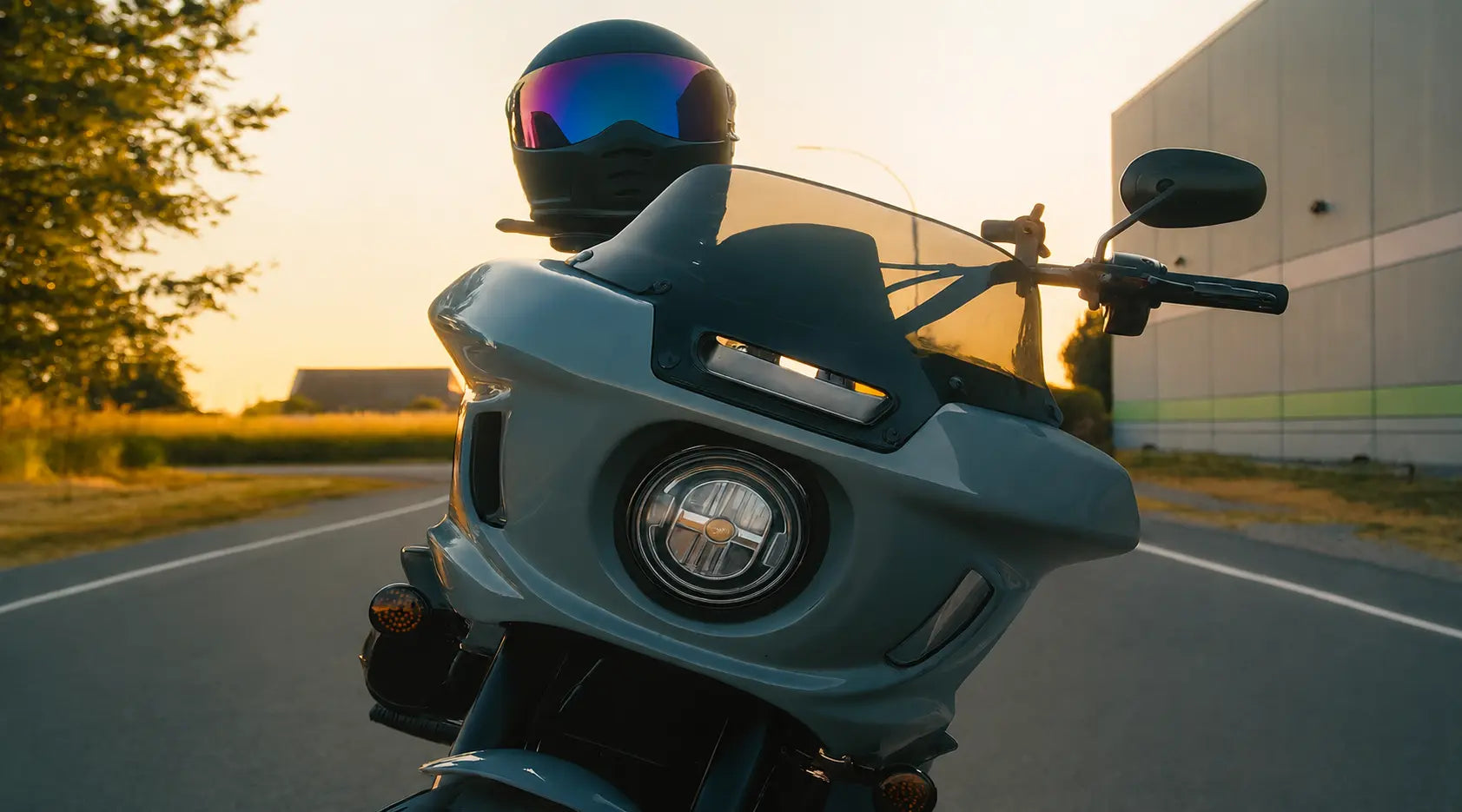
Take a side view and a front three-quarter photograph of your Low Rider. Include the rider’s view if the tank area is under consideration. Look at the photographs at ordinary screen size before zooming in. Decide where you want attention to go and which painted surfaces you want to preserve.
Compare the four areas
Front fender: a visible first statement
The front fender introduces carbon near the front wheel. It can give an otherwise restrained bike one clear point of interest. Compare the pattern with the wheel and fork finishes, then check the exact front-end setup before selecting the component.
Tank centre cover: the rider’s detail
The tank centre cover sits in a view you encounter every ride. It can be a focused accent without replacing the broader painted appearance of the tank. Compare its relationship with the console and nearby trim as closely as you compare it with the fenders.
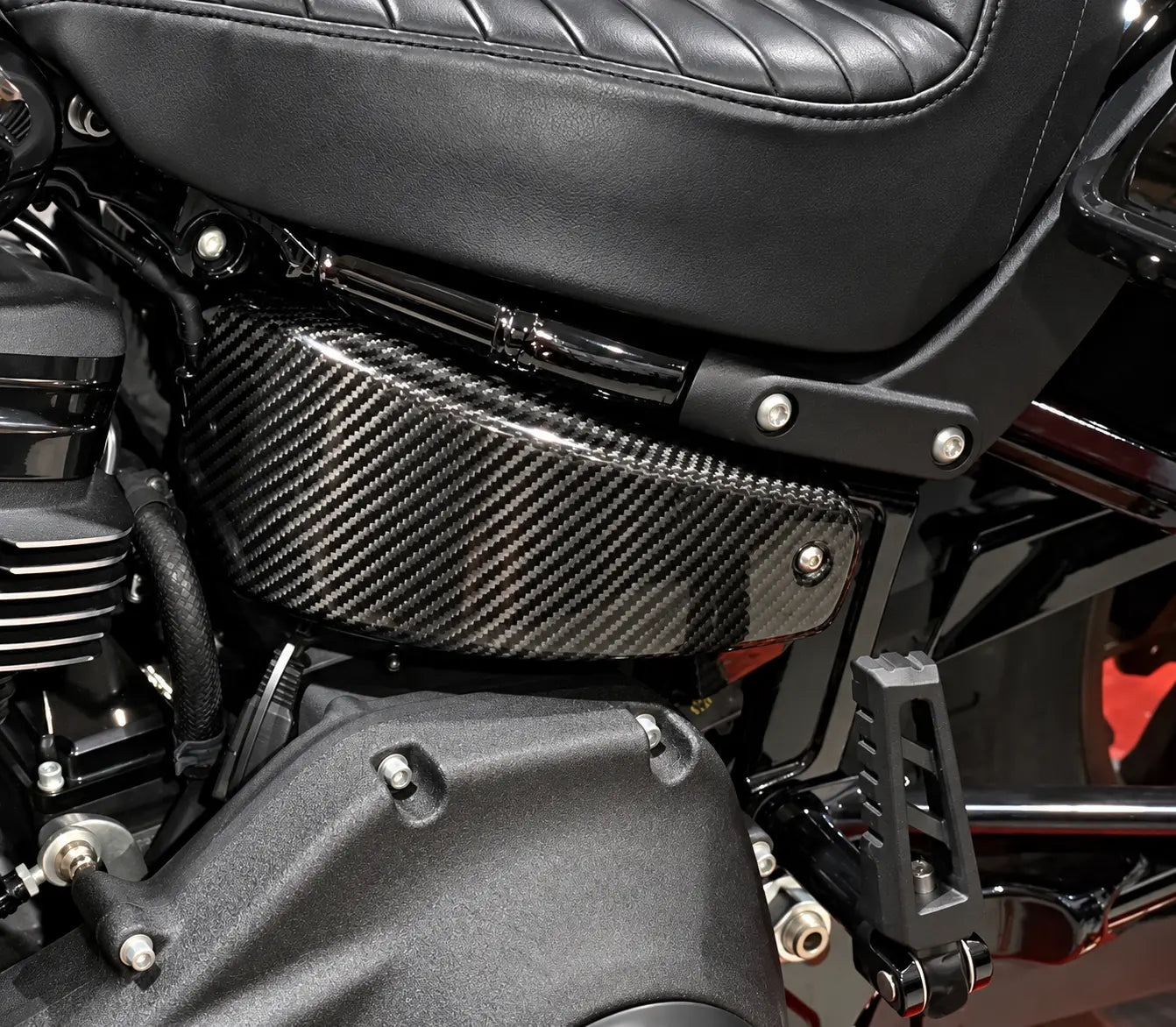
Battery cover: a side-profile connection
The battery cover brings texture into the area below the seat. It can connect front and rear detailing without making the entire centre of the motorcycle reflective. Confirm the side coverage and package quantity for the selected product rather than assuming it is a pair.
Rear fender: a larger bodywork decision
The rear fender influences the rear profile and sits beside the seat, lighting and plate mount. Think about those pieces together, especially if luggage or passenger equipment will stay on the bike. It is worth planning the installation and the visual result as one job.
Set a limit before choosing a set
You do not need carbon in every available position. A single accent can be complete in its own right. If you want several pieces, identify the painted gaps that will separate them. Those quieter surfaces help the material read as a deliberate theme rather than a collection of unrelated additions.
For a simple starting point, repeat one pattern and one sheen. If existing parts already use carbon, compare them with actual photographs of the proposed additions. The same words on two listings do not guarantee the same repeat size or appearance. Our pattern and finish guide separates those decisions.
Compare the whole cost of the change
Use the displayed Canadian-dollar prices as a starting point, then confirm the exact option and order total before committing to a purchase. Include any required mounting pieces, installation work and delivery costs in your planning. Do not assume that all hardware or original trim is included with the panel.
Fitment comes before styling. Check the exact product against the model year, existing parts and relevant modifications. An attractive finish cannot compensate for an incompatible mount or the wrong surrounding configuration. The fitment enquiry form helps organise an enquiry without guessing.
Build in a sequence you can evaluate
Start with the component that answers your original question. After installation has been completed correctly, repeat your full-bike photographs in similar light. Decide whether another part would improve the result or merely add more texture. Keeping that decision separate from the excitement of the first purchase often produces a more cohesive motorcycle.
Which part makes the biggest difference?
It depends on the view you care about. A fender changes a larger visible area; a tank-centre detail can matter more to the rider. Compare the bike from both perspectives rather than judging by component size alone.
If you already know you want several pieces, use the complete-build planning guide to coordinate them before ordering.