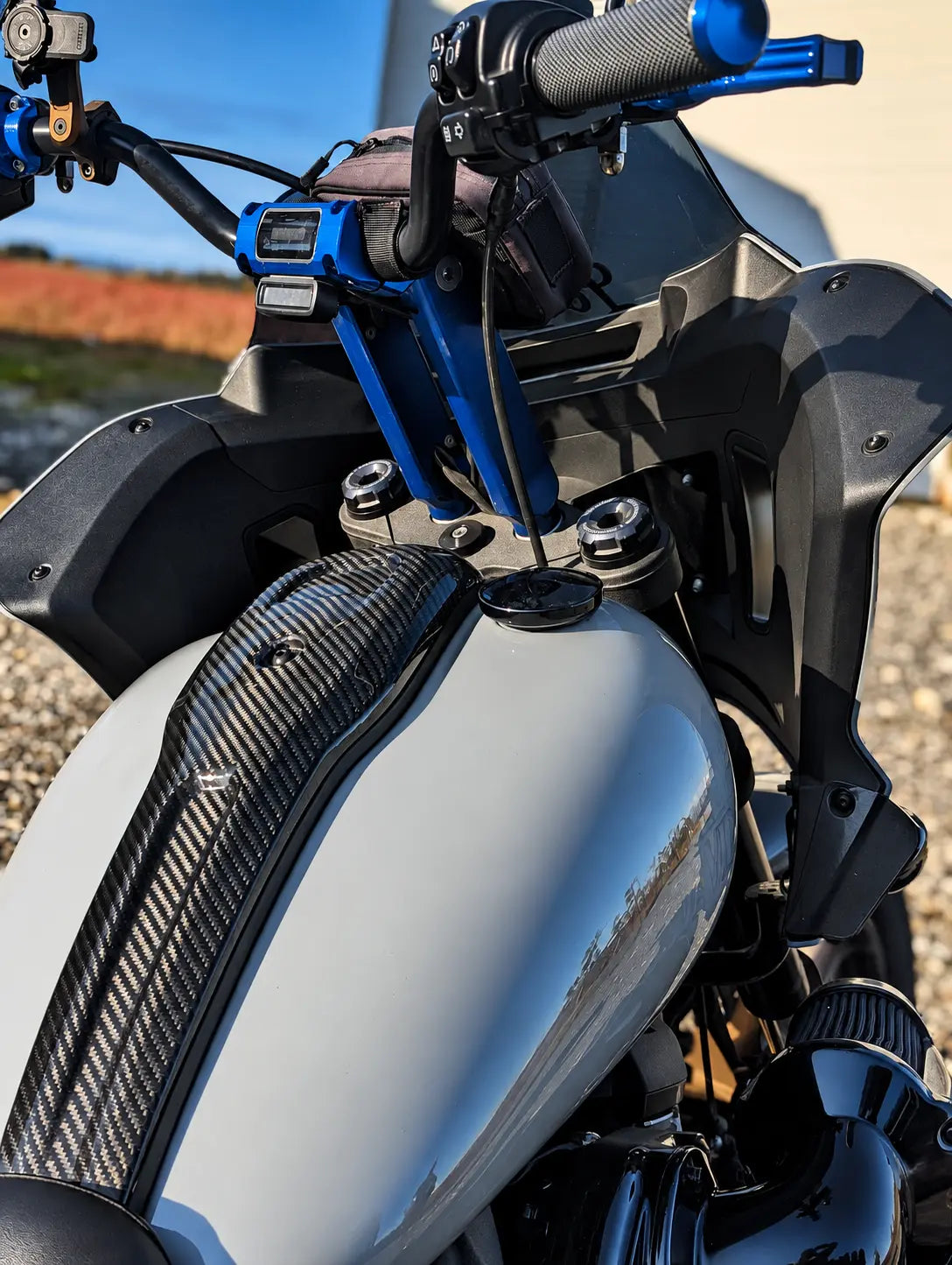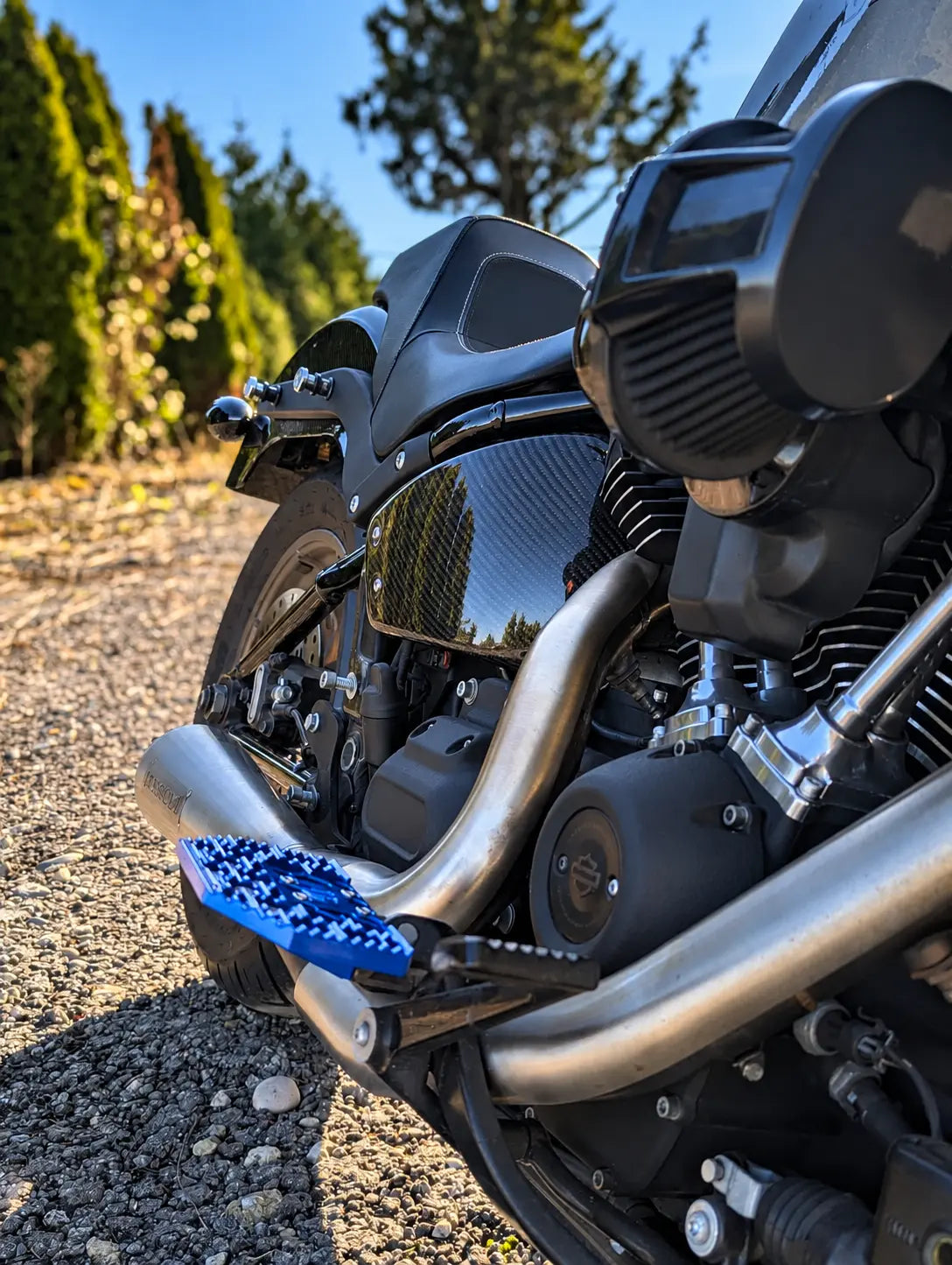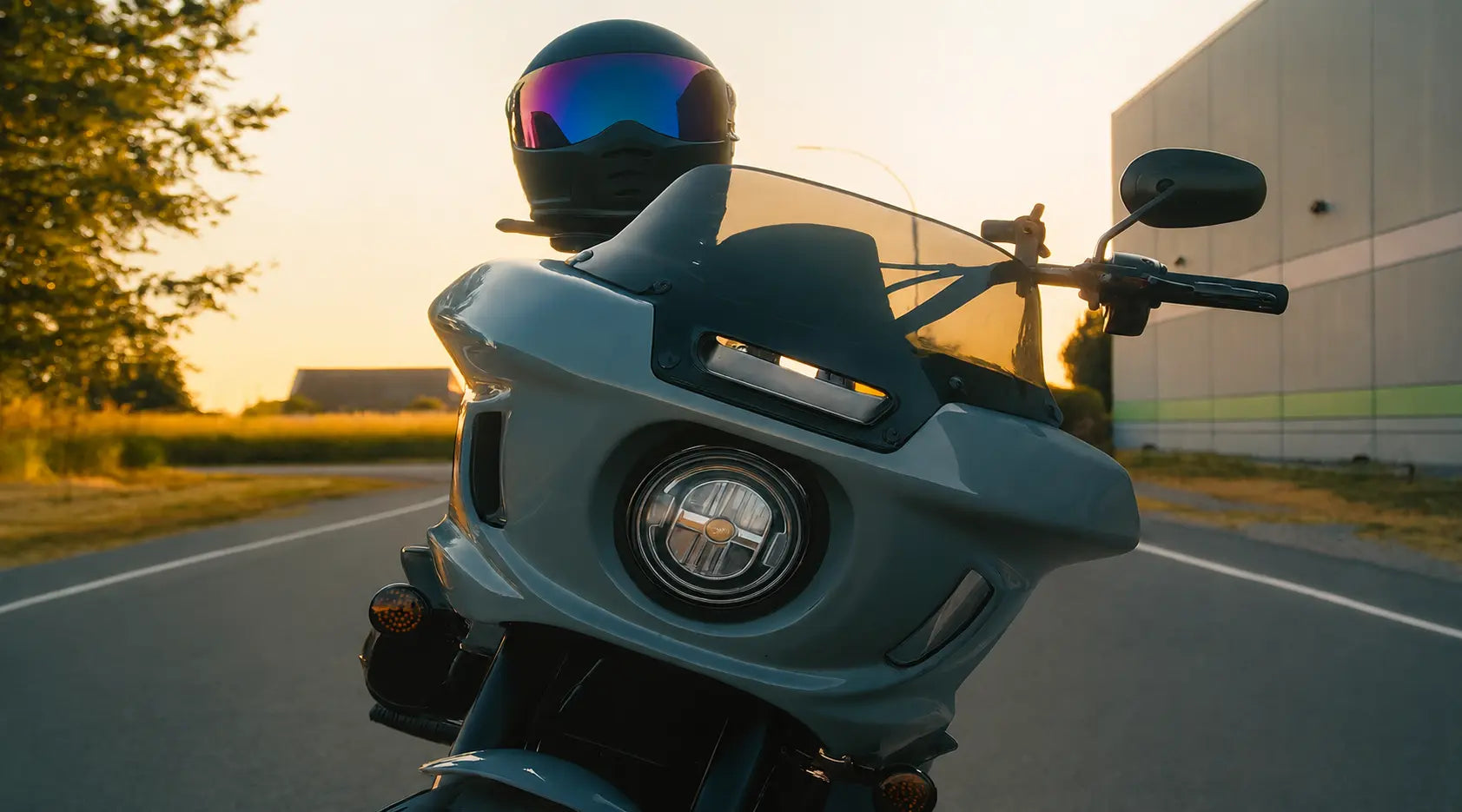
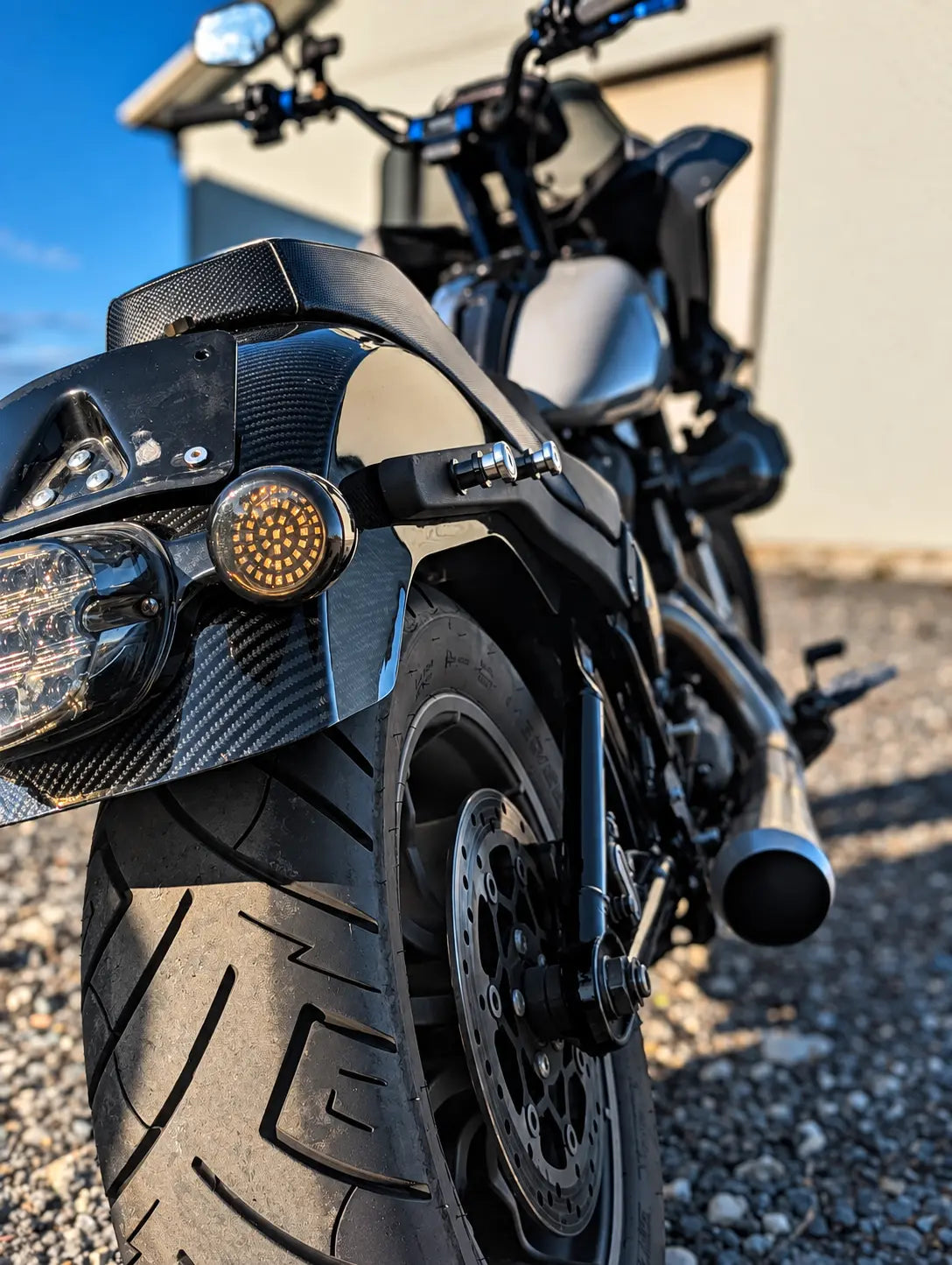
Know which surface you are cleaning
The visible carbon pattern is only part of the care question. The surface may have a coating with its own cleaning restrictions, and gloss and matte finishes need different treatment. Follow the instructions supplied for the specific component. General motorcycle advice is a starting point, not proof that a chemical suits every aftermarket panel.
Keep the product information with your maintenance notes. If the finish is unclear, ask before using a compound, solvent, wax or coating. A label that says “safe for carbon” is not enough to establish compatibility with every topcoat or surface sheen.
Make routine washing gentle
Let the motorcycle and panels cool and work out of strong direct sun. Remove loose contamination before wiping so dirt is not dragged across the finish. Use a gentle rinse and clean, non-abrasive wash tools; keep anything used on heavily contaminated wheels separate from the tools used on bodywork.
Use a wash product confirmed suitable for the coating, at its stated dilution. Work in manageable areas and do not let the cleaner dry on the surface. Rinse away residue and dry with a clean soft cloth using light pressure. Inspect cloths as you work: a soft cloth containing grit is no longer a gentle cleaning tool.
Harley-Davidson’s washing guidance also distinguishes special finishes and recommends cooling the bike first. Consult your motorcycle’s manual for restrictions around the rest of the bike. An aftermarket part may have additional requirements of its own.
Treat gloss and matte differently
On a glossy surface, a reflected light can make fine marks easy to see. Resist treating every mark with polish. Establish whether it is residue, a coating defect or a scratch, then get finish-specific advice before using an abrasive product or machine.
On matte or low-sheen finishes, rubbing and polishing can change the appearance locally. Do not try to buff a mark to match the surrounding surface. Use only compatible cleaning and protection products. Our gloss-versus-matte guide explains why sheen is a separate decision from the pattern beneath it.
Road grime, insects and winter conditions
After a wet or dirty ride, inspect the lower and rear surfaces rather than only the most visible tank area. Insects, grit and residue can collect around edges and attachment points. Do not scrape dried contamination with a fingernail, abrasive pad or improvised tool. Soften or remove it using a method suitable for the actual coating.
For Canadian riders dealing with road salt or winter grime, cleaning frequency should reflect the conditions encountered. A gentle wash after contamination is preferable to allowing deposits to build up and then trying a more aggressive process. This is not a claim that carbon panels or their fittings are immune to salt, moisture or corrosion elsewhere in the assembly.
Inspect the component, not just its shine
Look for changes around edges, mounting holes and areas near moving or vibrating parts. An unexpected crack, loose fitting, rubbing mark or change in alignment needs attention. Do not assume that a visible defect is cosmetic or use polishing to conceal it. Seek product-specific advice, and have a potentially unsafe installation assessed before further use.
When a new part arrives, photograph its condition before installation. Keep the packaging while any concern is being resolved. Those photographs can help explain a shipping or surface issue without guessing when it occurred. The contact page explains how to prepare a useful support message.
Store it without creating new marks
Clean and dry the bike before storage, follow its manual and avoid abrasive contact with the panels. If a cover is used, keep it clean and ensure loose fabric or straps will not repeatedly rub one spot. Store removed parts so their edges and mounting areas are supported and protected from accidental impact.
Can I polish every glossy carbon part?
No. A glossy appearance does not establish coating thickness or permission to use abrasives. Confirm the correct process first.
What if the finish becomes cloudy or changes colour?
Photograph the change and ask for advice before applying a corrective treatment. Residue, coating changes and damage can require different responses.